
Signs Your Child Is Carrying Too Much Stress (And What Their Enneagram Type Actually Needs)
September 22, 2026
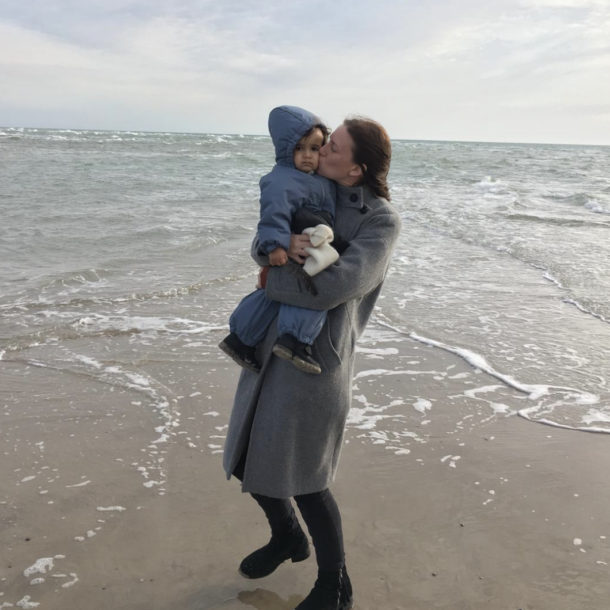
My son came home one day quieter than usual. It was my first real introduction to child stress enneagram type patterns.
What I’ve since learned, and what I want to share here, is that child stress by Enneagram type follows a completely predictable pattern. Once you know the signs, you can’t unsee them.
Not tired-quiet. Something else. The kind of quiet where you can feel something sitting in their chest that they don’t have words for yet.
He’s eight. We had just moved continents. New climate, new food, different sleep rhythms, no school routine — and routine disruption hits differently by type. And everything I thought I was building for him suddenly felt like the very thing I was putting him through.
After blood tests and a visit to the doctor, the conclusion was exhaustion. Stress.
An eight-year-old carrying stress. And I, who teach the Enneagram for a living, had missed the signs.
What I didn’t miss, once I stopped and looked, was that the signs were completely in line with who he is. How he processes. What he needs when life gets too much. His Enneagram type was running exactly as it’s designed to run, under pressure.
Here’s what stress looks like in each Enneagram type as a child, and what they actually need when they’re in it.
According to Child Mind Institute, children often can’t name what they’re feeling — they show it. And each Enneagram type shows it differently.
Child Stress by Enneagram Type: What to Look For
So here’s what to look for, type by type.
Type 1 — The child who becomes very hard on themselves
Here’s what stress looks like for the Type 1 child.
Type 1 children ask “why” constantly. As a result, they want to understand the rules, the systems, the reason behind everything. In practice, they have a strong inner sense of right and wrong, and they take that seriously.
When life gets overwhelming or unstable, their internal critic gets louder. Often, they become irritable, rigid, or frustrated with small things that feel “wrong.” They may have trouble sleeping because their mind won’t stop correcting and rehearsing.
They’re not being difficult. They’re trying to make order in a world that feels chaotic.
What they need is permission to feel their feelings and be a little silly sometimes. To let go of the performance of having it together. These children are already so hard on themselves internally, they need your “yes” far more than your “no.” Say yes more than you say no. Because they’re already saying no to themselves all day long.
Tell them they are doing enough. That you are not disappointed. That they don’t need to fix anything right now.
Type 2 — The child who stops asking for anything
For the Type 2 child, the signs are different.
Type 2 children are often described as the easy ones. The helpful ones. Under stress, they know who needs what, they tune into the emotional state of every adult in the room, and they are genuinely wired to give.
When they’re stressed, they become even more attentive to you, the parent. Above all, they check if you’re okay. In response, they try to be less of a burden. For this type, they give more.
You might not notice anything is wrong because they seem fine.
They’re not fine.
The key thing to understand here: when a Type 2 child offers to help, let them help. Rejecting their help can feel to them like rejecting their existence. But tell them directly: “You can help, and I love you just as much if you want to go play.” That sentence opens a door they may not have known they were allowed through.
Ask them directly how they are, and believe them when they answer. Create moments where they are the one being taken care of. Don’t let them carry your emotions on top of their own.
Type 3 — The child who performs being okay
The Type 3 child’s stress is the hardest to spot.
Type 3 children are results-oriented from early on. Over time, they want to be first. Best. Most capable. When overwhelmed, they hold it together in public and fall apart only in places where they feel completely safe. When this happens, they want to do everything, be involved in everything, and excel at everything.
When a big change hits, they adapt. Outwardly. More than anything, they may seem like the transition isn’t affecting them at all.
That’s the problem.
Stress for a Type 3 child often shows up in the body first. Headaches. Stomachaches. Exhaustion that comes from nowhere. Because they’ve been running on willpower and haven’t slowed down enough to feel what’s actually there.
What they need: competitions and deadlines help them feel grounded. Safe relationships where the feelings can surface without consequence. And someone to help them notice when they’ve over-scheduled themselves, because they will not notice on their own. Help them regulate that. Because their impulse is always to add more.
Your love cannot be tied to how well they’re adjusting. In these moments, they need to know that.
Type 4 — The child who feels it more intensely than anyone around them
But the Type 4 child’s stress is unmistakable.
Type 4 children take forever to tell a story. Every detail matters. Every shade of feeling needs to be expressed. When the pressure builds, they may need to change clothes three times in a day because each outfit is a different emotional statement. Their reactions to “small things” are big, and they mean to be big.
Don’t shut it down. Don’t minimize. Don’t compare them to the child who seems fine.
When life gets hard, they feel it fully. Ultimately, they might say things like “I hate it here” or “I want to go back” in a way that sounds like crisis. It’s often not crisis. It’s how they process.
Try this: “Come cry with me, and then we’ll find something fun.” Not instead of the feeling. With the feeling. And then through it.
What they need is to feel genuinely understood. When a Type 4 child feels heard, they move through it. When they feel dismissed, they go deeper into it. The path through is not the bright side. It’s sitting with them long enough for the feeling to have somewhere to land.
Type 5 — The child who disappears into a topic for weeks
Type 5 children withdraw in a very specific way.
Type 5 children investigate everything. When they find something interesting, they go all the way in. At their core, they will research it, think about it, know more about it than most adults. And they’ll lose interest in whatever “useful” thing they were supposed to be doing, because that thing doesn’t interest them, and their brain doesn’t function well on information it doesn’t care about.
They play best alone, or with one or two very patient friends. Group activities, especially sports with lots of social pressure, can feel overwhelming rather than fun.
When life gets hard, they retreat further. Most of the time, they pull back from meals, from engagement, from the noise of the household.
They’re not being antisocial. They’re doing the only thing that makes sense: creating a buffer between themselves and the overwhelm.
Show genuine interest in what they’re currently obsessed with. Ask questions. Learn from them. That is how they feel loved. Find two or three patient friends who can meet them where they are, and don’t push the group sports or the forced socialising.
Check in without demanding engagement. Let them know you’re there. When they’re ready, they’ll come out.
Type 6 — The child who can’t decide and needs to be sure
In contrast, the Type 6 child’s stress shows up as anxiety.
Type 6 children scan for safety. Beneath the surface, they need to feel that the ground beneath them is solid before they can take any kind of step forward. When it gets too much, they struggle to make choices alone because they want validation that they’re choosing right. In truth, they want someone else to take responsibility, because carrying the weight of the wrong decision feels too heavy.
What they need most is a small, closed group where it genuinely feels safe. Not big social situations. Not new environments every week. Consistent people. Consistent answers.
When they ask the same question five times, they’re not trying to be difficult. They’re trying to find certainty in a world that feels uncertain.
This child needs to feel safe before they can lead. So instead of making decisions for them, help them find their own answer: “What do you feel is best for you?” Give them time to sense into it themselves. And then support them in actually following through, in taking the responsibility and the steering. Because they are capable of it, they just need someone standing close while they learn that.
Don’t tell them everything will be fine if you don’t know that. Tell them what you do know. And do what you say you’ll do.
Type 7 — The child with a thousand dreams and an allergy to hard things
And the Type 7 child hides stress behind activity.
Type 7 children are constantly impatient. Under pressure, they want the fun activity, the next thing, the new idea. They have more dreams and plans than most adults. And that is genuinely wonderful.
What’s harder: when something feels unpleasant, or when they’ve committed to not doing something and then the urge hits, they really struggle to hold the line. Not because they’re undisciplined. Because their brain is wired to move toward what feels alive and away from what feels stuck.
The most important thing you can do for a Type 7 child is take their ideas and dreams seriously. Really seriously. Not with a “that’s nice, honey.” With actual engagement. This matters more than almost anything else to them.
They will also automatically try to hide the harder feelings. The sadness, the fear, the disappointment. They’ll reframe everything as fine and move quickly toward the next exciting thing.
Your job is to slow that down a little. Not force it, not interrogate it. But create space. Help them find a way to say the thing they’re trying to skip. Show them that a difficult conversation doesn’t have to be the end of the fun. You can have both.
Type 8 — The child who fights every battle and loves at full volume
The Type 8 child’s stress comes out as anger.
Type 8 children fight ALL battles. Not just their own. They notice who the vulnerable ones are in a room, and they take responsibility for them, whether they like those people or not. They balance relationships from an early age in a way most children don’t. They express their love completely, fully, and without filter.
They are exhausting, and they are extraordinary.
When life puts them in a situation where they feel powerless, they push back hard. They may become bossy, controlling, or explosive over things that seem small. This is not bad behaviour. This is a child who feels unsafe and is doing the only thing they know: fighting for control.
What they need is responsibility and freedom in slightly bigger frames than other children might get. They can handle it. Give them real decisions to make.
Show them role models who used enormous strength to change the world. Martin Luther King Jr. is a good place to start. Because this child needs to understand that their intensity is not a problem to manage, it’s a force that can do something.
Accept that your Type 8 child is here to accomplish great things. They will struggle with the “just be a child” part. Playing for the sake of playing. Doing something trivial and meaningless. That’s genuinely hard for them. The more you lean into their leadership capacity and let that be okay, the sooner they can step into what they’re actually here for.
Type 9 — The child who fades without you noticing
Finally, the Type 9 child disappears into numbness.
Type 9 children daydream. They drift from reality into their inner world constantly. They often start things and leave them half-done, because something new appeared in their imagination and pulled them there. They struggle with criticism and negativity, which land in them harder than you’d expect.
They are often called the easy ones. And they will seem fine long after they’ve stopped being fine.
How to help the Type 9 child feel grounded
When a Type 9 child needs correction or feedback, do not have a long talk. Do not lecture. They will drift mid-sentence and you’ll think they heard you when they didn’t. Instead, enter their world. Meet them gently, sensitively. Especially around anything that feels like scolding. Soft and direct. Not a speech.
These children communicate well in writing, often better than in speech. If something is hard to say in person, try a note. Try a message.
What they need is grounding. Nature, calm, stable relationships. People who notice them specifically, not just as the one who goes along with everything. Ask them what they want. Wait for a real answer. Don’t let the easiness fool you into thinking they have no needs.
Knowing your child’s type doesn’t make you a perfect parent. There is no such thing.
But it changes what you see. Instead of a difficult child, you see a child doing exactly what their type does under pressure. And when you can see that, your response changes. You stop taking it personally. And you stop trying to fix what isn’t broken. You start actually meeting them.
If you want to go deeper on how big life changes affect your own Enneagram type, this article looks at exactly that. And if you’re parenting through a hard season right now, this one is for you.
This is the kind of understanding that changes the whole picture.
Not just knowing your type or your child’s type. Knowing what to actually do with it. What’s underneath the behaviour. What they’re actually asking for when they act out. What they need to hear, and how to say it.
That’s what Empowered Children: Parenting with the Enneagram is. A course built for parents who want to go deeper than the label. 67€. It changes the way you read every hard moment from here on.
1 Comment
[…] move. A divorce. A new country. Losing a job, or leaving one. A child showing symptoms you didn’t expect. A decision you made from your gut that now looks terrifying in the light of real […]